
Teaching Stewardship Over Helplessness— A Toolkit for Raising Children in an Uncertain World
On raising children with truth, agency, and a world still worth stewarding.

Every generation eventually finds itself explaining the world to children. Sometimes the conversation is about war. Sometimes it’s about economic hardship, political division, environmental change, new technology, disease, or injustice. The subject changes. The responsibility doesn’t.
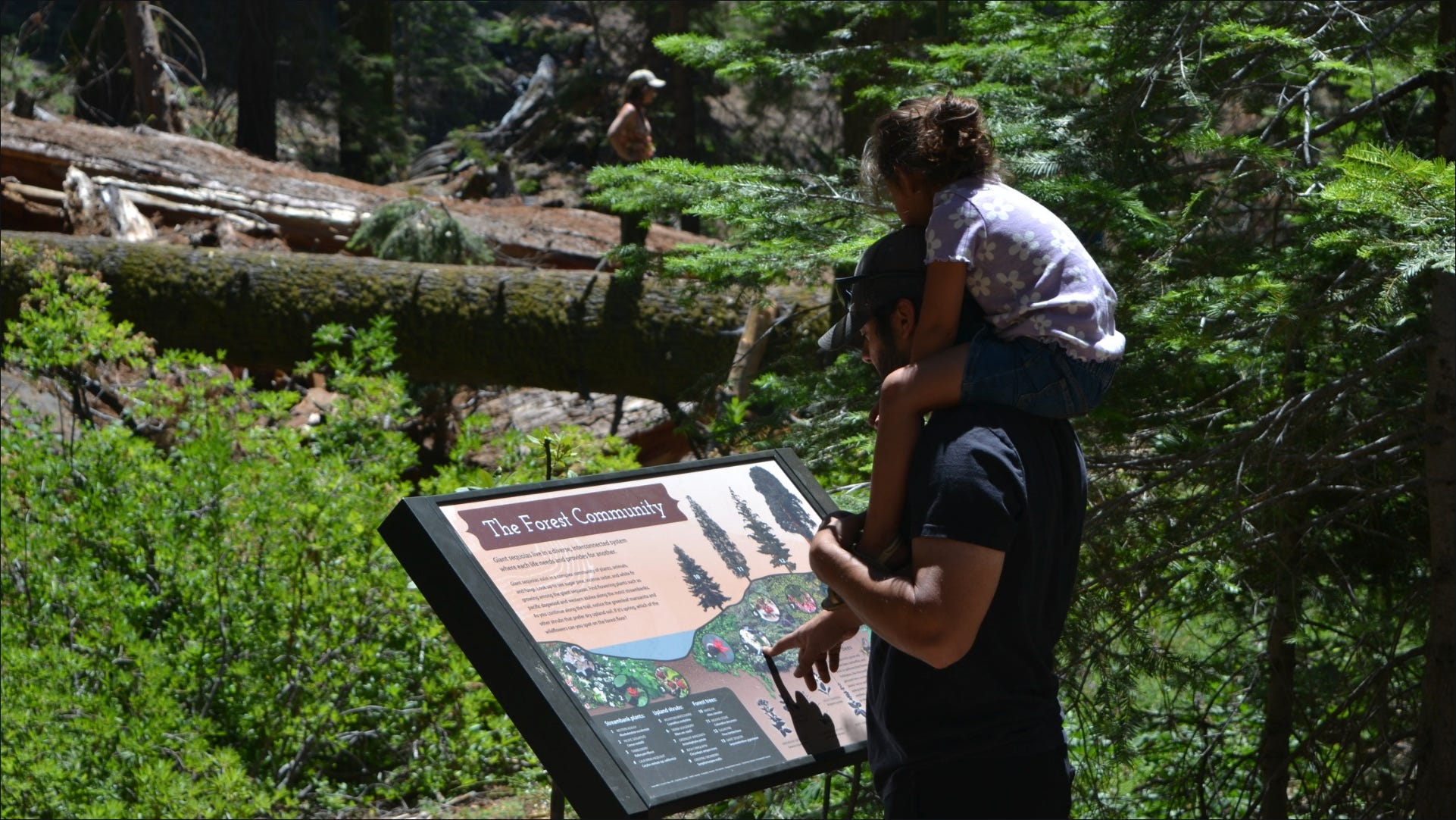
In the companion essay, “Take a Good Look at These Big Trees, Kids…”, I reflected on the moment another father’s words made me realize I’d already begun quietly narrating the future to my own daughter.
It became less a story about giant sequoias than a meditation on stewardship, inheritance, and the question so many parents now carry:
How do we tell children the truth without teaching them helplessness?
Well, , this toolkit is my attempt to answer that question.
Many parents today feel caught between two equally uncomfortable choices. We either shield children from reality until they’re old enough to stumble into it alone, or we hand them a version of the world so heavy that they begin carrying problems no child was ever meant to solve. I don’t think either approach serves them particularly well.
Children don’t need adults who promise everything will be okay. They also don’t need adults who quietly convince them the future is already lost. They need adults willing to tell the truth while continually reminding them that human beings have always participated in shaping what comes next.
This toolkit isn’t about protecting children from reality but about helping them build a relationship with reality that leads to participation instead of helplessness.
The toolkit is organized into four specific parts:
Part One invites you to examine your own relationship with uncertainty before bringing children into the conversation. Children don’t simply learn from what we say—they learn from what we repeatedly notice, fear, grieve, celebrate, and believe about the future.
Part Two explores how these conversations can evolve from infancy through adolescence, offering age-appropriate approaches rooted in child development rather than fear. The goal isn’t to memorize scripts, but to understand what children are capable of hearing, carrying, and participating in at different stages of life.
Part Three introduces the Five Elemental Archetypes—an original Fieldkeeper framework for understanding how different children naturally process uncertainty. Rather than labeling children, the archetypes offer another lens for recognizing how different nervous systems metabolize the same information and how we can adapt our conversations accordingly.
Part Four brings everything together through a practical family reflection. Instead of asking what your child should believe, it asks what kind of relationship you hope your family will develop with the realities you face together. Stewardship isn’t formed through one perfect conversation. It’s built through hundreds of ordinary moments that gradually become the culture of a family.
This isn’t a script to memorize but a way of thinking that will continue changing as your children, your understanding, and the world itself continue to change. Read it slowly. Return to it often.
Lastly —before we begin— I highly recommend you read the companion essay here. It’s not needed, but it definitely provides a lot more context as to where I’m coming from going forward:
“Take a good look at these trees kids, they won't be here when you're my age"

This this what I heard a father say that to his children while we were walking beneath a grove of giant sequoias in the middle of the Sierras a few weeks ago. I had been thinking the exact same thing, which surprised me because I hadn’t realized I’d been carrying that thought around until someone else said it out loud.
Okay now let’s go…
Before you talk to your children
Most parenting advice begins with what to say. I’d argue the conversation begins much earlier—with the story we’re already telling ourselves. Children learn from our emotional relationship with the world long before they fully understand our explanations. They notice what fills us with awe, what captures our attention, what overwhelms us, what we repeatedly point out, and what we quietly stop believing can change. Before beginning difficult conversations, spend a little time reflecting on your own relationship with uncertainty.
#1— Separate your fears from your child’s developmental needs.
Children don’t need to carry every article you’ve read, every political frustration you feel, or every grief you’ve accumulated. They need an adult who has already done enough of that work to remain emotionally available while discussing difficult realities.
#2— Notice whether you’ve accidentally replaced participation with prediction.
It’s easy to spend so much time anticipating the future that we stop participating in the present. Children rarely benefit from adults who constantly forecast collapse. They benefit from adults who continue planting gardens, helping neighbors, reading books, solving problems, and participating in community despite uncertainty.
#3— Ask yourself what story you’re telling about humanity.
Are people primarily destructive? Primarily innovative? Fundamentally selfish? Deeply cooperative? Your child will absorb those assumptions long before they memorize any facts about climate, politics, economics, or history.
#4— Consider focusing on stewardship over the binary of optimism or doom.
I don’t think the goal is optimism. Optimism assumes everything will probably work out. None of us know that. I don’t think the goal is resilience either. The word has become so overused that we’ve almost stopped asking what we’re asking children to become resilient for, or why so many systems require extraordinary resilience simply to survive.
I think the goal is stewardship. Stewardship assumes the world is imperfect, sometimes heartbreaking, frequently uncertain, and still worthy of our participation. It teaches children that belonging comes with responsibility, that care is a practice rather than a personality trait, and that meaningful change usually begins through ordinary relationships repeated consistently over time.
Age-appropriate approaches
Birth through age two
Infants don’t need explanations. They need relationships. Long before children understand ecology, politics, economics, or history, they develop expectations about whether the world feels responsive, predictable, and safe. Secure attachment becomes the foundation from which they’ll eventually explore uncertainty rather than fear it.
